
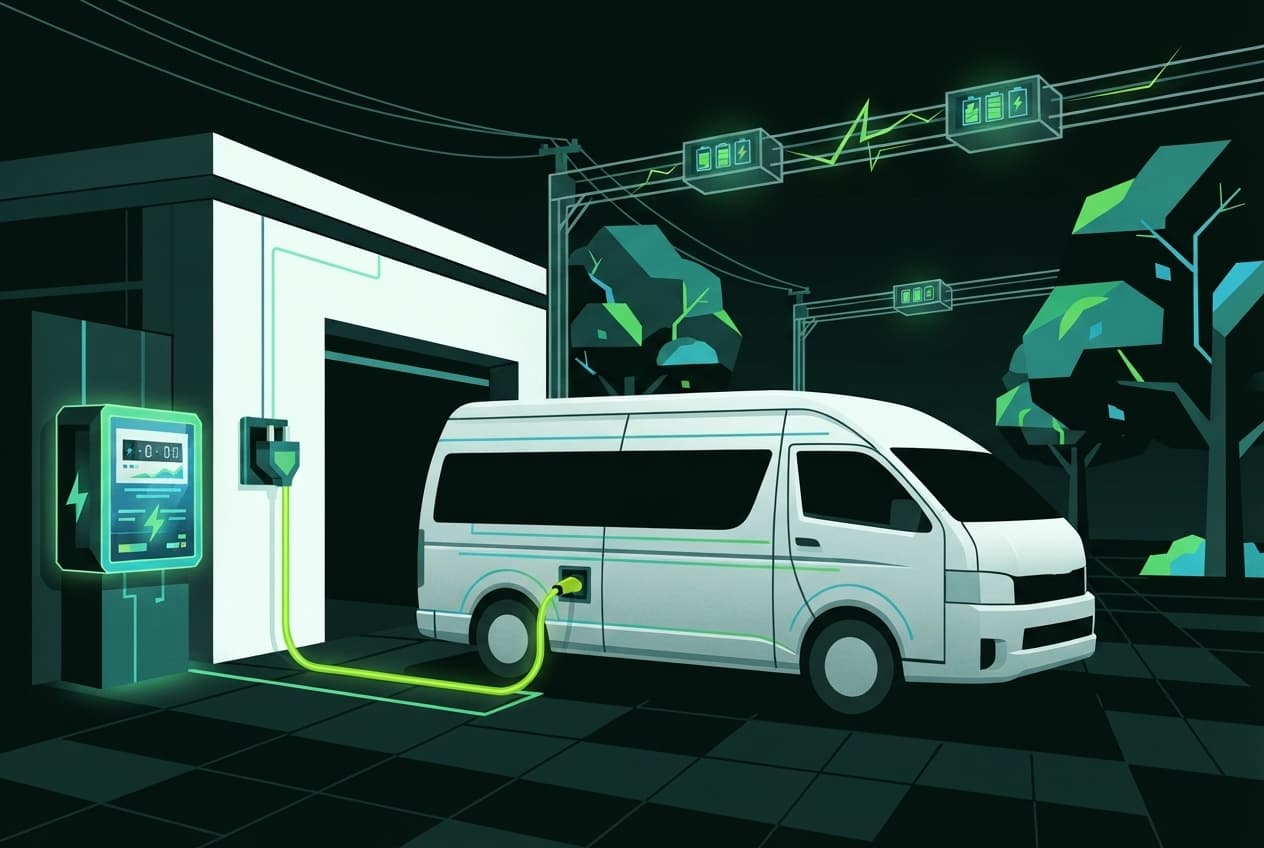
Unlike several other African nations that offer incentives like reduced import duties on EVs and charging infrastructure, South Africa currently imposes higher duties on imported electric vehicles compared to their internal combustion engine counterparts. While Kenya has introduced a special electricity tariff for EVs, South Africa has yet to implement similar measures on a national scale.
GABS, which operates 120 electric buses within its fleet of 1,200, has found that the energy savings from its current electric buses have helped mitigate rising diesel prices. Neethling emphasized that a supportive electricity tariff framework, combined with increasing the number of electric buses, would further cushion commuters and bring substantial benefits, including reduced carbon emissions and foreign currency savings from decreased fuel imports.
Neethling noted that GABS utilizes electricity during standard and off-peak times, with minimal usage during peak hours. However, recent electricity tariff hikes in Cape Town, particularly for off-peak periods, are impacting the company. He called for a more supportive tariff regime to prevent the business from being negatively affected.
With South Africa having experienced over 500 consecutive days without loadshedding and Eskom, the national electric utility, reporting its strongest operational performance in six years, the timing is seen as opportune. Implementing special e-mobility tariffs, potentially mirroring Kenya's model with lower rates for peak, standard, and off-peak periods, could incentivize EV charging during off-peak times, manage grid demand, and stimulate overall EV adoption. This could also help address Eskom's reported decline in electricity sales.